Planetary scientists calculate rate of Moon's shrinkage
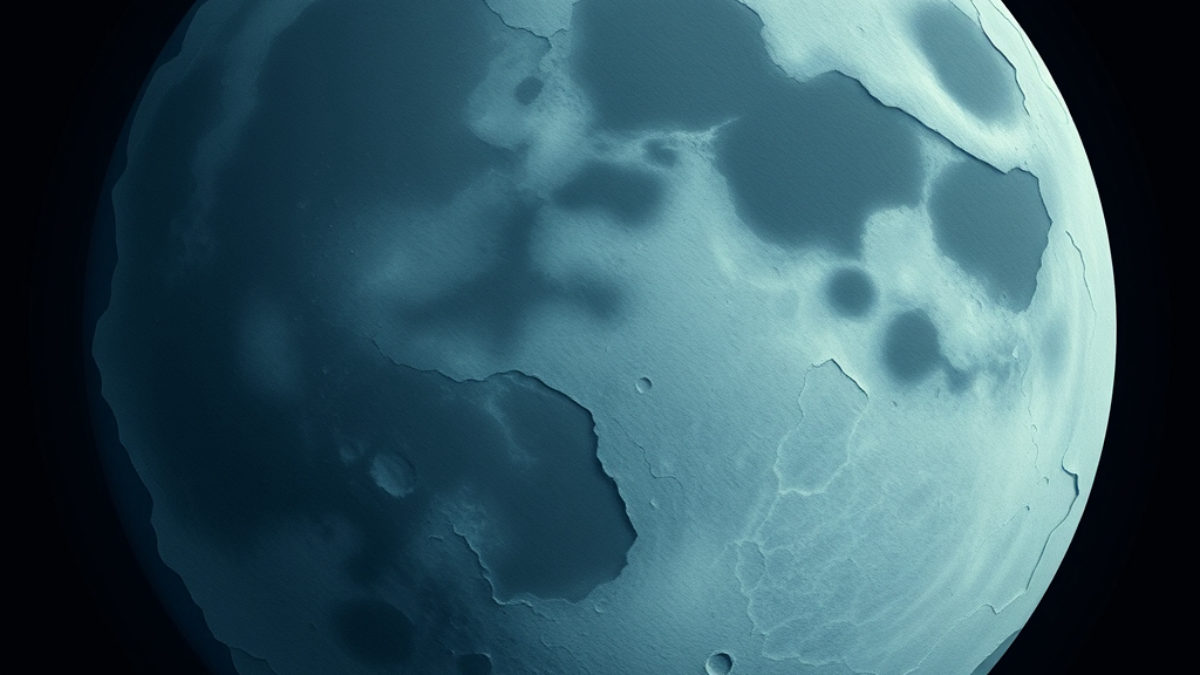
The Moon's radius has decreased by approximately 42–46 metres over the past several hundred million years due to the cooling of its interior, according to a study by a team of scientists led by Thomas Watters from the Smithsonian Institution, published in The Planetary Science Journal.
Using images from NASA's Lunar Reconnaissance Orbiter, planetary scientists mapped over 8,900 tectonic faults in the highlands and more than 2,600 small ridges in the lunar maria (over 10,000 young structures in total). The overall crustal deformation was approximately 0.0048% to 0.0053%.
According to the researchers' calculations, the radius of Earth's satellite has been shrinking at a rate of about 6–11 centimetres per million years. The faults were caused by the celestial body contracting as its interior cooled. Unlike Earth, the Moon's crust is not divided into tectonic plates, so stress and fractures are distributed more evenly across the surface.
The authors of the study noted that internal stress reaches four megapascals, with the fewest faults recorded in regions with the thickest crust. According to the researchers, tectonic processes on the Moon are ongoing, causing shallow moonquakes and landslides, which must be taken into account when planning future crewed missions and the siting of inhabited bases.
Sources
- Naked Science: Астрономы вычислили скорость сжатия Луны по разломам на ее поверхности media outlet
- Hi-Tech Mail: Луна стремительно сжимается: прогноз ученых media outlet
- iXBT.com: Луна уменьшилась на 45 метров: спутник Земли продолжает сжиматься — и новые разломы появляются до сих пор media outlet
This article was prepared with the help of AI and translated from the Russian original. Spotted an error — let us know.
Published 17 October 2026, 20:02 · No updates · Russian original




Comments on this story live under its post in our Telegram channel. Comment on Telegram