Experts discuss regionalization experience of Central Asia and the EU in Tashkent
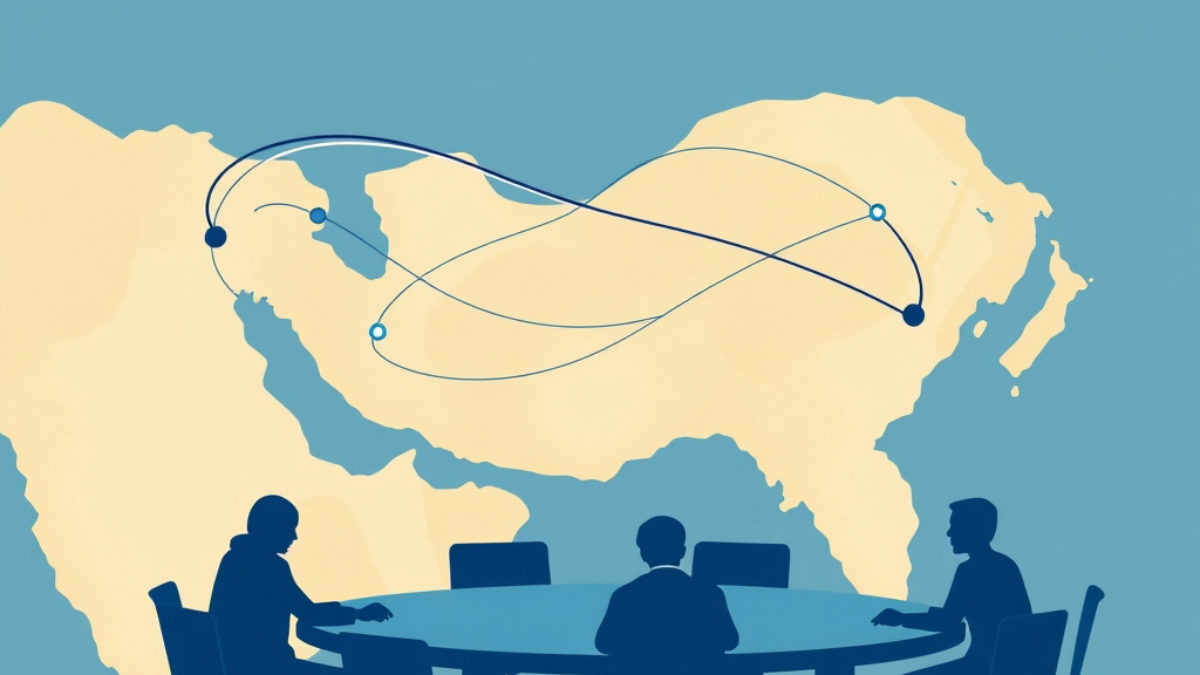
On October 27, Tashkent hosted a round table on regional integration in Central Asia and Europe. It was organized by the Institute for Strategic and Regional Studies (ISRS) under the President, the Ministry of Investments, Industry and Trade, and the Austrian think tank Global Neighbours.
The meeting was held as part of the "Tracks to the Future" initiative. According to UzA, the discussion brought together experts from Uzbekistan and European countries, former diplomats, and representatives of international organizations. Global Neighbours was founded in 2022 in Vienna and deals with international dialogue issues.
Opening the discussion, ISRS Deputy Director Bakhtiyor Mustafayev stated that the fragmentation of the global economy, the weakening of multilateral institutions, and the restructuring of supply chains elevate the role of regional cooperation. According to him, Central Asia is not seeking to create supranational structures, and the interaction of the region's countries is based on equality and consideration of each nation's interests. He also mentioned that at the first Central Asia–EU summit in Samarkand in April 2025, the European side announced an investment package of 12 billion euros under the Global Gateway initiative.
Mustafayev suggested discussing two issues: which elements of the European model can be adapted to regional conditions and how to make connectivity a real driver of cooperation. Among the areas, he named the Trans-Caspian International Transport Route, energy, education, digital infrastructure, and critical raw materials with value addition within Central Asia itself.
According to UzA, participants considered that Europe's "small steps" experience cannot be transferred mechanically, but the harmonization of standards and trade facilitation are applicable. In their view, the efficiency of the Trans-Caspian corridor depends, among other factors, on the digitalization of documents and border procedures. The experts identified the faster implementation of joint projects in the fields of transport, energy, and digitalization as the main task.
Sources
- UzA: Центральная Азия и ЕС переходит от политического диалога к экономике взаимосвязанности news agency
- Nuz.uz: Бахтиёр Мустафаев: Сплочённая Центральная Азия становится более надёжным партнёром для Европы media outlet
- UzDaily: Центральная Азия и Европа: от регионального сотрудничества к межрегиональному партнёрству media outlet
This article was prepared with the help of AI and translated from the Russian original. Spotted an error — let us know.
Published 29 October 2026, 10:31 · No updates · Russian original




Comments on this story live under its post in our Telegram channel. Comment on Telegram