Khamraev: Afghanistan will not start water intake via Qosh Tepa until 2030
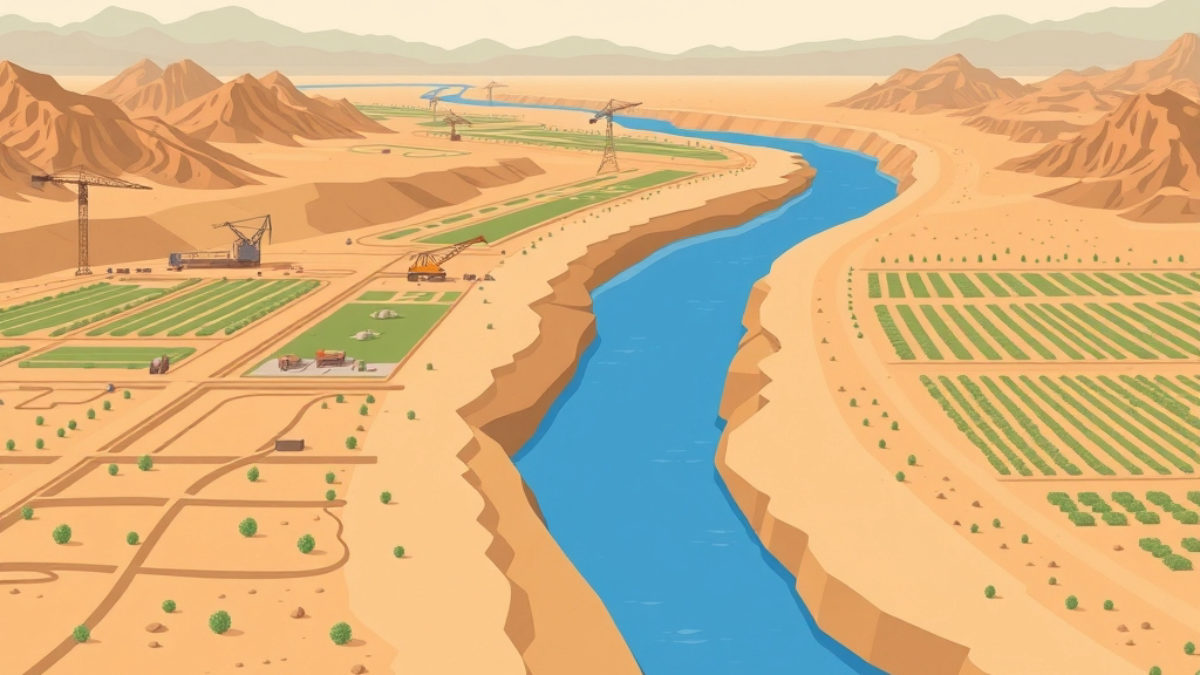
Uzbekistan's Minister of Water Resources Shavkat Khamraev stated at a press conference on November 19 that Afghanistan will start taking water from the Amu Darya via the Qosh Tepa canal no earlier than 2030.
According to the minister, the canal is still under construction and has not yet taken water from the river. He linked the start of water intake to the completion of construction: "Maybe even in 2050. But they definitely will not start before 2030." Khamraev also dismissed any connection between Qosh Tepa and Uzbekistan receiving less water from the Amu Darya in some months.
Dialogue with Kabul is continuous, the minister said: a week earlier, a delegation headed by Afghanistan's Deputy Minister of Agriculture visited Uzbekistan, and the Uzbek side travels to visit their neighbors as well. Khamraev acknowledged Afghanistan's right to the waters of the Amu Darya and reported an agreement to sign deals on water intake volumes and other matters after the canal is completed.
According to preliminary estimates by the Afghan side cited by the minister, around 10 billion cubic meters will be drawn via the canal in a high-water year, and 6 billion in a low-water year. If that is the case, it is normal, Khamraev said. The flow of the Amu Darya, according to his estimates, fluctuates from 50 to 100 billion cubic meters per year, and water intake volumes, in the minister's view, should be determined based on actual water availability. As an example, he described possible negotiations in a low-water year: the neighbor could be offered to take 6 or 4 billion along with assistance, for instance, with agricultural crops.
The minister mentioned estimates that the canal will be able to pass 450–500 cubic meters per second, and Afghanistan expects to develop 500,000–600,000 hectares. However, according to him, water will reach no more than 200,000–250,000 hectares by gravity; the rest will require pumps. Construction began in 2022, the canal's projected length is about 285 km, and the first section, about 108 km long, was completed in October 2023.
What it means
Afghanistan's water intake volumes have not yet been agreed upon: according to the minister, the parties will sign agreements after the canal's construction is completed, and water withdrawal through it will not begin before 2030.
Sources
- Gazeta.uz: Афганистан не начнёт полноценный водозабор через канал Коштепа до 2030 года — министр media outlet
- Kun.uz: «Канал Кош-Тепа не будет забирать воду из Амударьи до 2030 года» — министр водного хозяйства media outlet
- Podrobno.uz: Афганистан не начнет забирать воду из Амударьи через канал Коштепа до 2030 года media outlet
- Anhor.uz: Узбекистану грозит дефицит воды в 15 млрд кубометров к 2030 году media outlet
This article was prepared with the help of AI and translated from the Russian original. Spotted an error — let us know.
Published 20 November 2026, 19:17 · No updates · Russian original



Comments on this story live under its post in our Telegram channel. Comment on Telegram