Nobel Prize in Medicine 2026 awarded for optogenetics
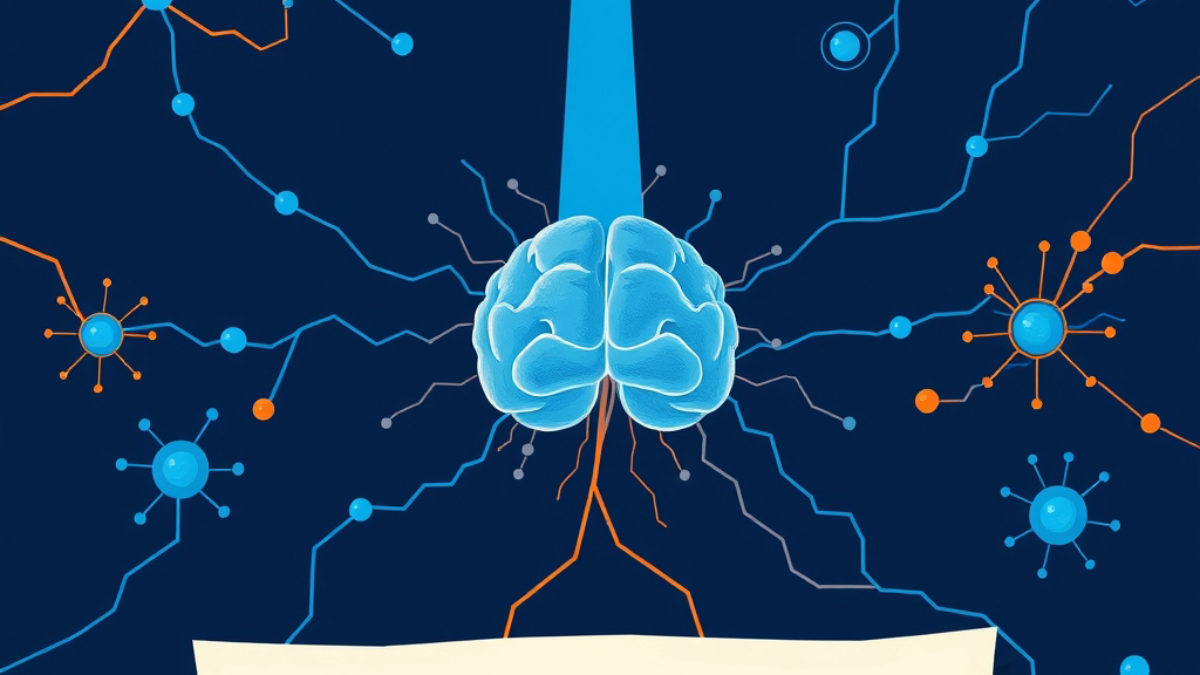
The 2026 Nobel Prize in Physiology or Medicine has been awarded to Karl Deisseroth, Peter Hegemann, and Georg Nagel for their discoveries of light-gated ion channels and optogenetics. This was announced by the Nobel Assembly at Karolinska Institutet.
The prize will be shared equally among the three researchers. The total cash prize in 2026 amounted to 12 million Swedish kronor.
Peter Hegemann of the Humboldt University of Berlin and Georg Nagel of the University of Würzburg discovered the light-sensitive protein channelrhodopsin in single-celled algae. Karl Deisseroth of Stanford University and the Howard Hughes Medical Institute transferred this mechanism into nerve cells, turning the protein into a tool for regulating signals using light exposure.
The method developed by the scientists makes it possible to selectively activate or suppress the function of individual nerve cells. The technology is used in laboratory experiments to analyze neural pathways associated with memories, emotions, and psychiatric disorders, as well as in clinical research aimed at restoring vision.
Sources
- Gazeta.uz: Нобелевскую премию по физиологии и медицине присудили за создание оптогенетики media outlet
- Podrobno.uz: Нобелевскую премию в области медицины присудили троим ученым за открытия, изменившие изучение мозга media outlet
- UzDaily: Нобелевскую премию по медицине 2026 года присудили за оптогенетику media outlet
- Naked Science: Нобелевскую премию по физиологии или медицине 2026 года присудили за открытия в области оптогенетики media outlet
This article was prepared with the help of AI and translated from the Russian original. Spotted an error — let us know.
Published 5 October 2026, 15:46 · No updates · Russian original




Comments on this story live under its post in our Telegram channel. Comment on Telegram