Mahallas to adopt 3–30–300 greening standard
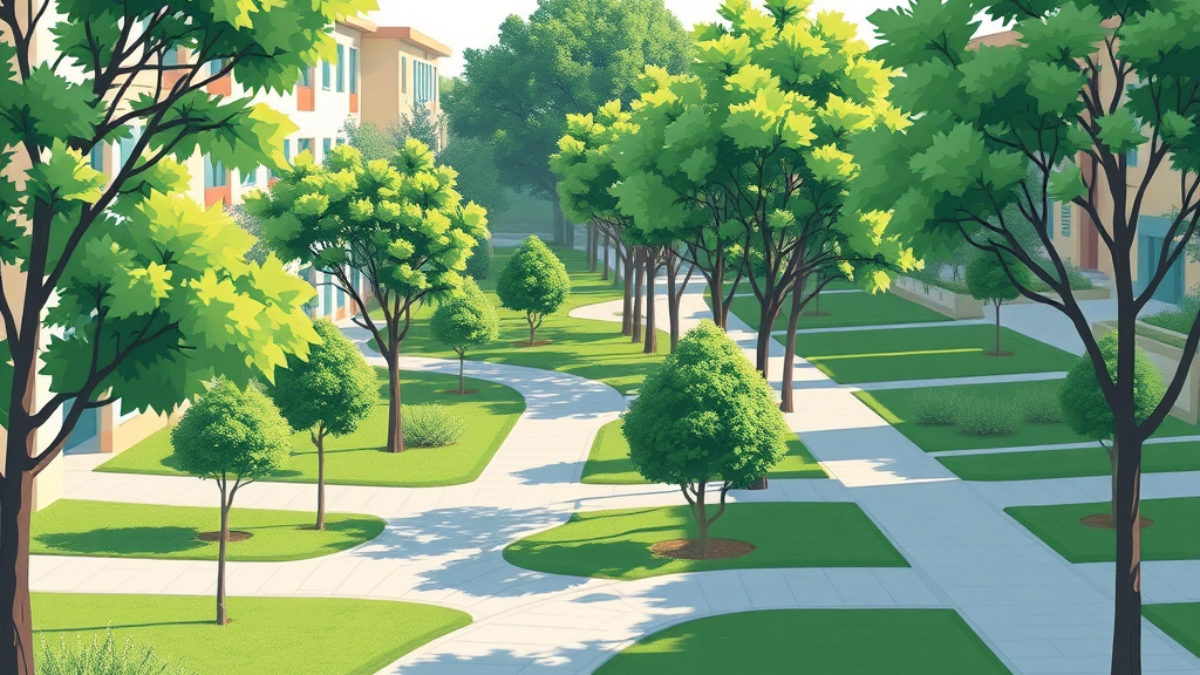
Mahallas in Uzbekistan will transition to the 3–30–300 international ecological standard, and a two-month campaign for cleanliness and tree-planting preparations will begin across the country on October 1. This is stipulated by a presidential decree dated September 23, 2026.
The standard means three trees for every person, 30% canopy shade, and a green area within a 300-meter radius in each mahalla. By 2030, the number of green gardens and public parks is planned to reach 1,023, of which 257 will be established in the autumn of 2026. At least five shaded pedestrian streets with a total length of at least 10 kilometers will be created in each district and city.
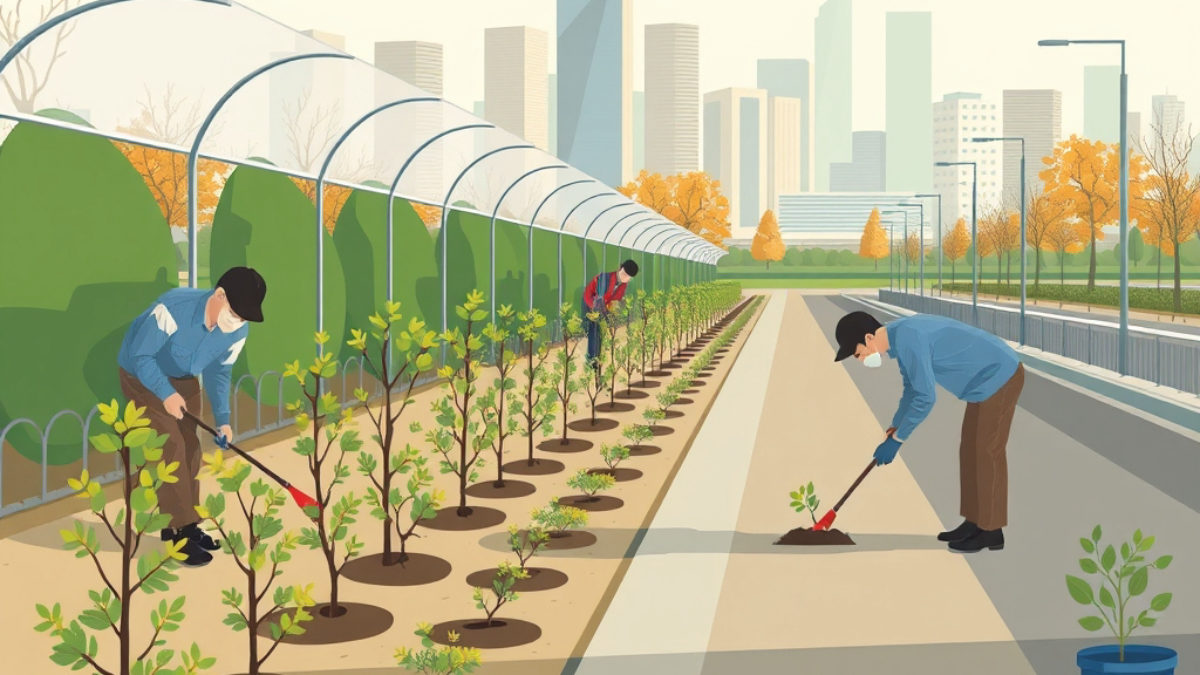
From October 1 to November 30, planting sites will be identified, soil prepared, and a stock of saplings formed. Irrigation ditches, canals, drainage collectors, and public areas will be cleared of waste. Planting itself will begin according to a schedule: November 1 in Karakalpakstan and Khorezm region; November 5 in Bukhara and Navoi regions; November 10 in Tashkent, Andijan, Jizzakh, Samarkand, Syrdarya, Namangan, Tashkent, and Fergana regions; and November 20 in Surkhandarya and Kashkadarya regions. The Environmental Committee is entitled to adjust these deadlines.
Starting January 1, 2027, the Mahalla Greening package will be launched as part of the Yashil Mahalla project. The Forestry Agency will assign a forestry mentor to each mahalla, who will train members of the mahalla seven before every planting season.
What it means
Preparations begin on October 1, and the planting date depends on the region: Karakalpakstan and Khorezm start first, while Surkhandarya and Kashkadarya start last.
Sources
- Kun.uz: В махаллях Узбекистана внедрят стандарт «3–30–300». media outlet
- Podrobno.uz: В Узбекистане объявили двухмесячник чистоты перед сезоном посадки деревьев media outlet
- Upl.uz: В Узбекистане начнется двухмесячный цикл благоустройства и озеленения media outlet
- Nuz.uz: В Узбекистане с 1 октября стартует двухмесячник чистоты и благоустройства media outlet
This article was prepared with the help of AI and translated from the Russian original. Spotted an error — let us know.
Published 29 September 2026, 10:46 · No updates · Russian original


Comments on this story live under its post in our Telegram channel. Comment on Telegram